The real cost of fixing medical devices in rural America — and a faster way
In small-town hospitals and clinics, a single broken infusion pump or imaging system can mean days of downtime and thousands in service costs. Remote expert assistance is changing that math.
When a medical device fails in a major metropolitan hospital, a biomedical equipment technician (BMET) is often just an elevator ride away. In rural America, that same failure looks very different. The nearest qualified technician may be three, four, or five hours away by car — and the device can sit dark for days while everyone waits.
Roughly one in five Americans lives in a rural area, served by thousands of critical-access hospitals, rural health clinics, and small physician practices. These facilities run on the same complex equipment as big urban systems — ventilators, infusion pumps, patient monitors, ultrasound and imaging systems, sterilizers, and lab analyzers — but without the in-house engineering depth to keep it all running.
Why rural repair is so expensive and so slow
The sticker price of a repair rarely tells the whole story. In a rural setting, the hidden costs stack up fast:
- Travel dominates the bill. When a specialized technician has to be dispatched, the facility often pays for windshield time, mileage, per-diems, and sometimes overnight lodging — before a single component is touched. Travel and trip charges can rival or exceed the actual labor.
- There simply aren't enough local techs. The BMET workforce is aging and concentrated near population centers. A rural facility may share one traveling technician across an enormous territory, so even a routine visit gets queued behind everyone else's.
- Downtime has a clinical cost. A single imaging system offline can mean transferring patients to a facility hours away, canceled procedures, and lost revenue — on top of the care impact.
- The "diagnose, then wait" trap. This is the quiet budget-killer. A tech drives hours to the site, only to discover which part is actually bad once they're standing in front of the device. The part isn't on the truck. Now the device waits again — days or a week or more — for a component to ship, followed by a second trip to install it.
Typical one-way drive to reach a rural facility in many regions
Often needed when the right part isn't identified before travel
Equipment downtime while parts are diagnosed, then shipped
A different model: bring the expert, not the truck
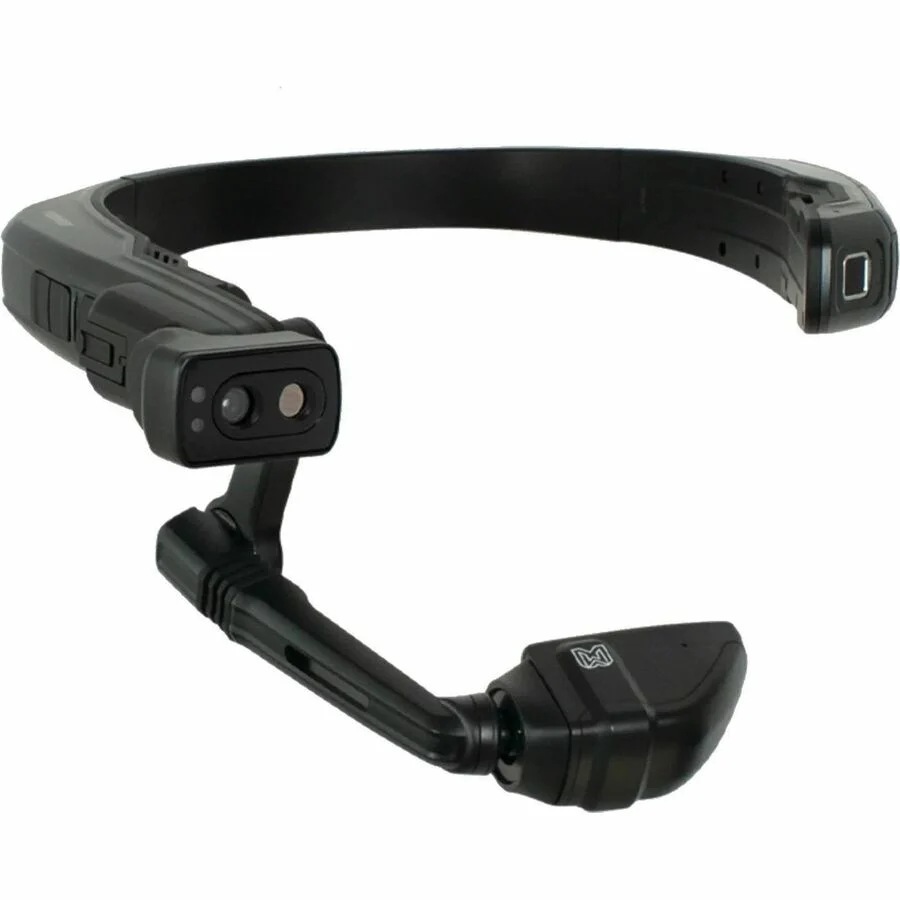
Remote expert assistance flips the sequence. Instead of sending a person to the problem, it sends the problem — live — to the person best equipped to solve it. Using a hands-free headset like the RealWear Navigator 520, a staff member already on site becomes the expert's eyes and hands.
The person wearing the headset doesn't need to be a seasoned engineer. It can be a nurse, a facilities staffer, or a clinical technician — someone who was going to be in the building anyway. They put on the headset, describe who they are and what's wrong, and within minutes a remote expert is seeing exactly what they see and talking them through it.
Walking an inexperienced person through complex work
This is where remote assistance earns its keep. Because the expert sees the live point-of-view video, they can guide someone with no repair background through surprisingly involved tasks: reseating a board, clearing a fault code, replacing a consumable module, running a calibration, or confirming a sensor reading. The expert points, annotates, and narrates each step; the on-site person simply follows along, hands free.
A large share of service calls turn out to be issues that never required a truck at all — settings, user errors, cleanable sensors, simple swaps. Resolved remotely, those become a 15-minute call instead of a multi-day, multi-hundred-mile ordeal.
Many failures that once triggered a dispatch — and days of downtime — can be resolved on a single guided call, with the staff already on site.
When a technician does have to come, the trip actually counts
Not every repair can be finished remotely — and that's fine. The second, underrated benefit of remote assistance is what it does for the visits that still need a specialist on site.
By running the troubleshooting process before anyone gets in the car, the expert can pinpoint the failure and confirm exactly which parts and tools the job will require. The dispatched technician then arrives with the right components already in hand — turning the old "drive out, diagnose, order parts, wait a week, drive back" cycle into a single, decisive visit.
- One trip instead of two. The diagnosis happens up front, so the tech doesn't discover the real problem only after arriving.
- The right parts on the truck. No more devices sitting idle for a week waiting on a component that could have been shipped days earlier.
- Shorter time on site. The technician walks in knowing the fault, the fix, and the plan.
What this means for a rural facility
Put together, remote expert assistance changes the economics of keeping equipment running in places the traditional service model was never built to reach:
- Lower cost — most calls avoid travel charges entirely, and the ones that don't are far more efficient.
- Less downtime — help arrives in minutes, and parts arrive with the technician, not a week later.
- More capability on staff — your existing team can handle more, backed by an expert on demand.
- Better care continuity — fewer transfers, fewer cancellations, more devices online when patients need them.
See it work for your facility
We're onboarding rural hospitals and clinics now. Get connected to expert help when you need it.
Figures in this article are illustrative estimates drawn from common field-service patterns in rural healthcare and are meant to convey typical ranges, not a specific study. Actual costs and timelines vary by region, equipment, and service contract.